How Media Houses Can Launch or Scale Podcasts Without Large Teams
 Rinku Kumari
- 16 Mar, 2026
Podcasting has rapidly evolved from a niche medium into a powerful tool for journalism. Today, millions of listeners rely on podcasts for news analysis, storytelling, and deep dives into current affairs. For media houses, podcasts provide an opportunity to reach mobile-first audiences, build loyal communities, and extend the life of news content beyond traditional formats.
However, many news organizations hesitate to launch or scale podcasts because of one perceived barrier: resources. Producing consistent, high-quality audio journalism often requires reporters, editors, producers, sound engineers, and distribution teams. For smaller or mid-sized media houses, building such a structure can be costly and time-consuming.
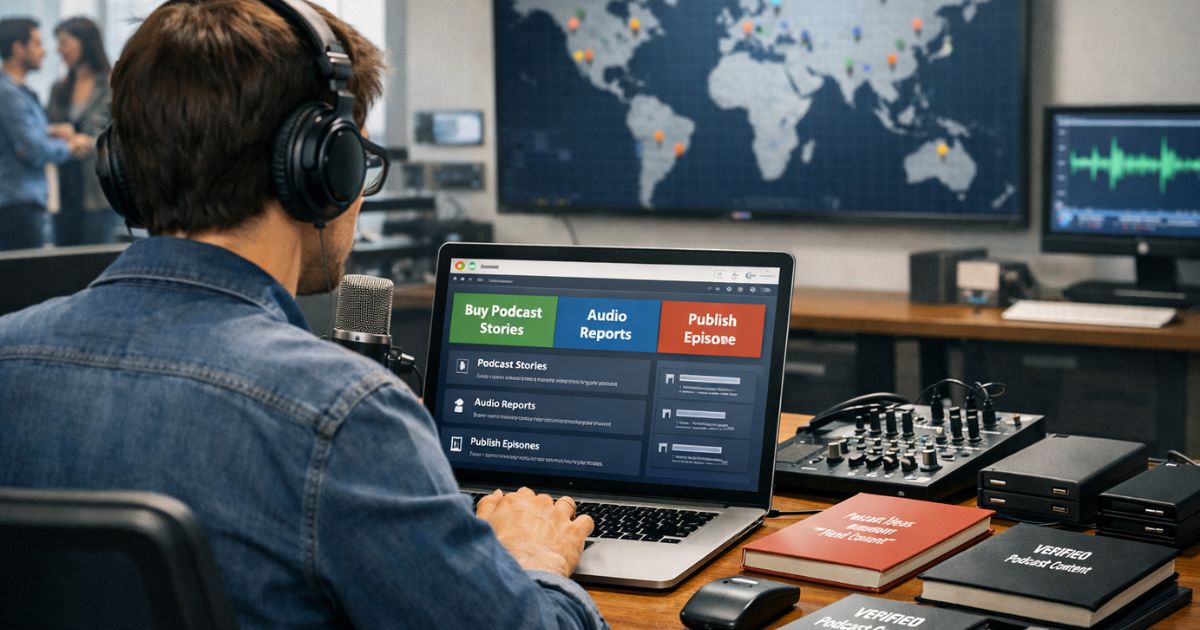
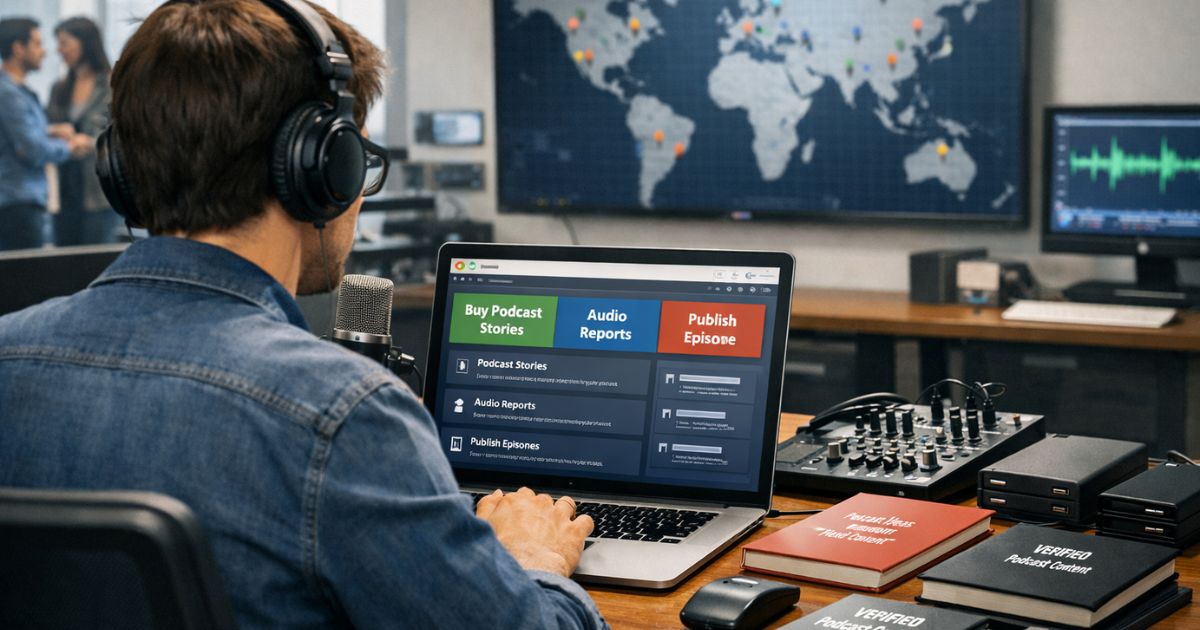
Fortunately, the digital transformation of journalism is changing how audio content is created and distributed. Today, media houses can buy podcast stories, buy podcast footage, and source professional audio reports from journalists worldwide, allowing them to expand podcast production without maintaining large in-house teams.
Why Podcasts Are Essential for Modern Newsrooms
Audio journalism is experiencing significant growth. According to industry reports, podcast consumption continues to rise globally as audiences seek content that fits their daily routines, during commutes, workouts, or multitasking at home.
For media houses, podcasts offer several advantages:
- Deeper engagement: Audio storytelling allows listeners to connect emotionally with stories.
- Extended shelf life: Podcast episodes remain relevant longer than breaking news articles.
- New revenue streams: Advertising, sponsorships, and premium subscriptions.
- Cross-platform reach: Podcasts integrate easily with social media, newsletters, and websites.
Yet producing podcasts consistently can strain newsroom resources. This is where digital content marketplaces become valuable.
The Challenge of Scaling Podcasts with Limited Teams
Traditional podcast production requires multiple roles:
- Reporter or host
- Audio producer
- Script editor
- Sound designer
- Distribution manager
When media houses try to handle all these responsibilities internally, they often face delays or inconsistent output. This slows down content production and prevents organizations from responding quickly to trending topics.
Scaling podcasts efficiently requires a different model, one that combines internal editorial direction with external journalistic contributions.
A Smarter Approach: Buying Podcast Stories from Verified Journalists
Instead of producing every episode internally, media houses can now buy podcast stories and audio reports directly from professional journalists and field reporters. This approach allows editors to focus on editorial strategy while sourcing verified audio content from trusted contributors worldwide.
The benefits include:
Faster Production
Editors can access ready-to-publish podcast stories without waiting for internal teams to produce them from scratch.
Global Coverage
By sourcing content from journalists in different regions, media houses gain access to local insights and on-ground reporting.
Cost Efficiency
Buying podcast stories or buying podcast footage is often more economical than maintaining full-time production teams.
Content Diversity
External contributors bring unique perspectives, voices, and storytelling styles.
How 5WH Helps Media Houses Source Podcast Content
As part of the broader effort to digitalize journalism, platforms like 5WH are transforming how media houses access content. 5WH is the world’s first news-based e-commerce platform, designed to connect journalists and media houses through a virtual newsroom.
On 5WH, media houses can:
- Buy podcast stories directly from verified journalists
- Access audio interviews, field recordings, and narrative podcast packages
- Buy podcast footage and supporting audio clips for storytelling
- Assign podcast topics to journalists across the globe
- Pay only for the stories they choose
Currently, 100+ media outlets are listed on 5WH, creating a growing ecosystem where journalists and publishers collaborate in real time.
This marketplace approach significantly reduces the logistical barriers of podcast production while maintaining editorial quality.
Types of Podcast Content Media Houses Can Source
Media houses can expand their podcast offerings by sourcing various types of audio journalism, including:
News Explainers
Short audio segments breaking down complex news topics for audiences.
Field Reports
On-ground audio recordings from journalists covering events, protests, elections, or disasters.
Interview-Based Stories
Conversations with experts, policymakers, or eyewitnesses that add depth to reporting.
Narrative Podcast Stories
Long-form storytelling episodes combining interviews, narration, and sound design.
By sourcing these formats from verified journalists, media houses can quickly build a diverse podcast catalog.
Best Practices for Scaling Podcast Production
To effectively expand podcast content without building large teams, media houses should adopt the following strategies:
Build an Editorial Framework
Define clear themes, tone, and audience focus for podcast content.
Combine Internal and External Production
Use internal editors to guide editorial direction while sourcing audio stories externally.
Prioritize Verified Sources
Work with vetted journalists and trusted platforms to maintain credibility.
Use Digital Marketplaces
Platforms like 5WH enable editors to browse, evaluate, and buy podcast stories efficiently.
Repurpose Existing Content
Convert written articles into audio stories to extend reach and engagement.
The Future of Podcast Journalism
The podcast industry is expected to grow steadily as audiences demand more accessible, mobile-friendly news formats. Media houses that adapt to this shift early will gain a competitive advantage.
The emergence of digital content marketplaces is making it easier for editors to buy podcast stories, buy podcast footage, and collaborate with journalists worldwide. This model not only accelerates production but also strengthens the global journalism ecosystem.
By combining editorial oversight with flexible sourcing models, media houses can launch and scale podcasts without large teams while maintaining quality and credibility.
Conclusion
Podcasting is no longer a luxury for large media organizations, it is an essential component of modern journalism. However, scaling podcast production does not require building a large internal team.
By leveraging digital platforms such as 5WH, media houses can access verified audio journalism, buy podcast stories, and collaborate with journalists globally. This approach reduces production costs, speeds up content delivery, and helps newsrooms stay competitive in an increasingly digital media landscape.
In a world where audiences expect instant, immersive storytelling, podcast journalism is becoming a powerful bridge between newsrooms and listeners, and digital marketplaces are helping make that transformation possible.
Frequently Asked Questions (FAQ)
1. Can media houses buy podcast stories instead of producing them internally?
Yes. Media houses can purchase ready-to-publish podcast stories or audio reports from verified journalists through digital platforms, saving time and resources.
2. What does it mean to buy podcast footage?
Buying podcast footage refers to licensing audio recordings, interviews, or raw audio clips that can be used to produce podcast episodes.
3. How can media houses scale podcasts without hiring large teams?
By sourcing audio stories from external journalists, collaborating through digital platforms, and focusing internal resources on editorial direction.
4. What types of podcast content can media houses purchase?
Media houses can buy interviews, news explainers, investigative audio stories, field recordings, and narrative podcast packages.
5. How does 5WH help media houses buy podcast stories?
5WH connects media houses with verified journalists worldwide, allowing them to browse, purchase, or assign podcast stories directly through its virtual newsroom.