Where to Buy News Stories Online for Your Newsroom
 5wh LLC
- 24 Nov, 2026
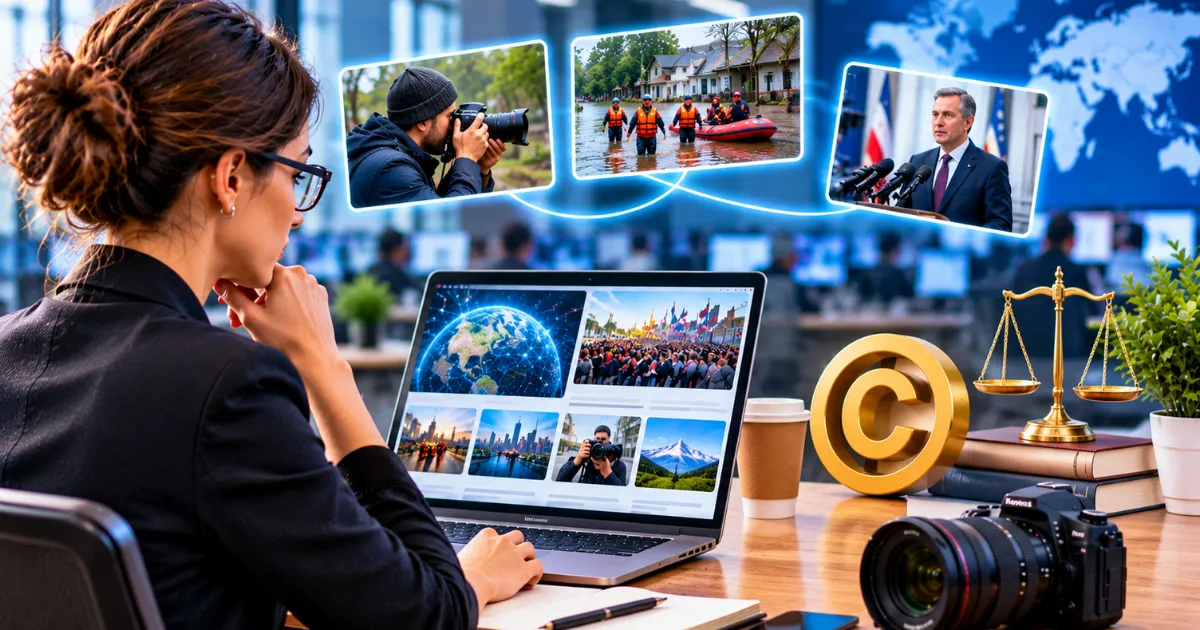
The modern media industry operates in an environment where news develops continuously, audiences expect immediate updates, and publishers must deliver accurate information across multiple platforms. For editors and newsroom managers, finding original reporting quickly while maintaining editorial standards has become an important part of daily operations. Whether covering international developments, local events, business trends, or human-interest stories, having access to reliable contributors can make a significant difference. This is why many media organisations now look for opportunities to buy news stories through specialised digital marketplaces that connect publishers with professional journalists.
Traditional newsroom operations often depend on in-house reporters, established agency relationships, and independent contributors. Although these resources remain valuable, they may not always provide the geographical reach, specialist expertise, or turnaround time required for every assignment. Online journalism marketplaces offer another way to discover original reporting, source multimedia material, and connect with experienced journalists without building an entirely new reporting network.
Why Modern Newsrooms Are Turning to Online News Marketplaces
The demand for fresh editorial content has increased as newspapers, television channels, digital publications, and independent media platforms compete for audience attention. Newsrooms must cover more subjects, publish across different channels, and respond to developing stories without compromising reporting quality.
An online news marketplace simplifies this process by bringing journalists and media buyers together in one place. Instead of contacting multiple freelancers individually, editors can explore available stories, review submitted material, and identify contributors who match their coverage requirements.
Some of the major advantages include:
-
Faster content discovery: Browse available news reports, photographs, interviews, and video material.
-
Wider geographical coverage: Find reporting from journalists working in different cities, regions, and countries.
-
Flexible content sourcing: Choose between ready-to-use stories and customised assignments.
-
Multimedia availability: Access text, photographs, audio, video, and combined editorial packages.
-
Better resource management: Extend newsroom capabilities without depending entirely on permanent reporting teams.
For publishers managing tight editorial schedules, these benefits can improve content planning and make it easier to respond to developing news.
Choose a Marketplace That Understands Professional Journalism
Not every content marketplace is suitable for a professional newsroom. General freelance platforms may offer writing services, but news reporting requires specialised skills, including fact-checking, source verification, ethical reporting, and an understanding of editorial responsibilities.
When evaluating a platform, media buyers should examine the quality of its journalist network, content categories, submission process, and editorial review procedures.
A specialised marketplace should make it easier to identify contributors based on their reporting experience, subject expertise, geographical location, and preferred content formats.
For organisations looking to buy news content online, choosing a journalism-focused platform can reduce the time spent searching for suitable contributors and help establish more direct relationships with independent reporters.
It is also important to understand how the marketplace handles content ownership, licensing, exclusivity, and permitted publication. These details should be reviewed before purchasing or commissioning any material.
Access a Global Network of Freelance Journalists
Newsworthy developments do not happen only in major media centres. Important stories emerge from smaller communities, regional markets, developing economies, and locations that international newsrooms may find difficult to cover regularly.
This makes a reliable contributor network particularly valuable.
Media organisations can hire freelance journalists with experience in specific reporting beats, such as politics, business, technology, sports, culture, education, and public affairs. Local reporters can provide valuable context, conduct interviews, and identify developments that might otherwise receive limited attention.
A strong contributor network can help editors:
-
Expand coverage into unfamiliar geographical regions.
-
Find journalists with specialist subject knowledge.
-
Obtain local perspectives on international developments.
-
Commission interviews and investigative reporting.
-
Develop relationships with recurring contributors.
Rather than relying exclusively on a small permanent team, publishers can build a flexible reporting network that supports different editorial priorities.
Buy Original News Stories Across Different Categories
Every newsroom has different content requirements. A digital newspaper may need daily news updates, while a business publication might prioritise industry analysis, corporate developments, and expert interviews.
A specialised marketplace should provide access to different editorial categories so that media buyers can identify content relevant to their audiences.
Common content categories include:
Breaking News: Timely reports covering important developments, incidents, announcements, and emerging events.
Business and Finance: Company developments, entrepreneurship, economic trends, market movements, and industry analysis.
Politics and Public Affairs: Government decisions, elections, public policies, civic developments, and political reporting.
Technology: Artificial intelligence, digital innovation, cybersecurity, startups, and emerging technologies.
Sports: Match reports, athlete interviews, competition coverage, and developments across different sporting disciplines.
Lifestyle and Human Interest: Community stories, cultural developments, personal experiences, and social issues.
Access to different reporting categories allows editors to maintain a varied editorial calendar while discovering stories that fit their publication's identity.
Buy News Photos to Strengthen Editorial Storytelling
Photography is an essential part of modern journalism. A relevant image can communicate the atmosphere of an event, introduce important individuals, and help readers understand the context behind a developing story.
However, finding original photographs for every assignment can be challenging, particularly when a newsroom covers multiple locations.
Media houses increasingly buy news photos from professional photojournalists who capture events, public gatherings, press conferences, community developments, and other newsworthy situations.
When sourcing editorial photography, buyers should evaluate:
-
Image authenticity and relevance to the reported event.
-
Originality and available supporting information.
-
Image resolution and technical quality.
-
Captions, dates, locations, and subject identification.
-
Copyright, licensing, and permitted publication rights.
Original photography can make news articles more informative and improve their presentation across websites, newspapers, magazines, and social media channels.
Source News Videos and Multimedia Reporting
Audiences increasingly consume journalism through video-based formats. News websites, television broadcasters, streaming platforms, and social media publishers all require visual material that helps communicate developing stories.
For this reason, newsrooms may need to buy news videos featuring interviews, on-location footage, breaking events, press conferences, explainers, and documentary-style reporting.
Video journalism can provide additional context that a written report or photograph may not fully communicate. Footage from the location of an event can show its surroundings, capture eyewitness perspectives, and help audiences understand what happened.
Audio content also creates opportunities for richer reporting. Interviews, field recordings, sound bites, and podcast material can support radio programmes, digital publications, and multimedia storytelling.
Before publishing any video or audio material, editors should check its authenticity, recording date, location, accompanying information, and usage permissions. Footage involving sensitive situations or identifiable individuals may also require additional editorial and legal review.
Commission Freelance Journalists for Exclusive Stories
Sometimes, the story a newsroom needs is not available in an existing content library. It may involve a developing investigation, a particular individual, a regional issue, or an emerging subject that requires original reporting.
In these situations, publishers can commission freelance journalists to investigate specific topics and produce content according to an editorial brief.
A well-structured commission should include:
-
The subject and central reporting objective.
-
Intended audience and publication format.
-
Geographic coverage and relevant locations.
-
Required interviews, sources, or supporting material.
-
Expected word count or multimedia deliverables.
-
Submission deadlines and editorial milestones.
-
Agreed payment, rights, and licensing conditions.
Clear instructions help journalists understand the newsroom's expectations while giving editors greater control over the final output.
For larger projects, publishers can also collaborate with multiple contributors who bring different geographical perspectives or specialist skills. This approach is especially useful for investigative series, international coverage, and in-depth multimedia projects.
What to Check Before Purchasing News Content
Speed matters in journalism, but accuracy and credibility should always remain priorities. Before purchasing editorial material, media buyers should establish a consistent evaluation process.
Here are some important considerations:
Journalist Credentials: Review the contributor's experience, reporting background, specialist knowledge, and previous published work.
Source Verification: Check whether the report identifies credible sources and provides sufficient evidence to support its claims.
Originality: Confirm that the material is original and does not reproduce another publisher's work without permission.
Editorial Accuracy: Examine names, dates, locations, quotations, statistics, and other important details.
Usage Rights: Understand whether the purchase provides shared, exclusive, or another form of publication permission.
Deadline Compatibility: Confirm that the content can be delivered within the newsroom's publication schedule.
Transparency: Look for platforms that provide clear information about contributors, content descriptions, and purchasing procedures.
These checks can help reduce editorial risks and support responsible content acquisition.
Why a Dedicated Freelance Reporter Network Matters
Building relationships with individual reporters can take considerable time. Editors need to identify suitable contributors, assess their capabilities, communicate assignments, and coordinate submissions.
A dedicated freelance reporter network can simplify this process by connecting media organisations with journalists across different subjects and locations.
Such networks are particularly valuable for smaller newsrooms that cannot maintain permanent correspondents everywhere. They also support larger media organisations looking to expand regional coverage or develop specialist editorial projects.
The most useful networks combine contributor discovery with content purchasing and assignment management. This allows media buyers to find existing reports when speed is essential and commission new journalism when a story requires deeper investigation.
A flexible network also makes it easier to develop long-term professional relationships with reporters whose work consistently meets editorial expectations.
How 5WH Helps Media Houses Find News Content Online
Finding reliable journalism should not require editors to search through disconnected websites, contact multiple contributors, and manage every transaction separately.
5WH provides a dedicated marketplace where media houses can discover original journalism and connect with professional journalists across different geographical locations and reporting categories.
Through its Media House platform, publishers can:
-
Browse available text news, features, interviews, and analysis.
-
Discover original news photographs and photo galleries.
-
Access video footage, audio reports, and podcast content.
-
Purchase available stories or bid on eligible content.
-
Request story pitches based on editorial requirements.
-
Commission journalists for specific reporting assignments.
-
Develop multimedia projects involving multiple contributors.
The platform also incorporates journalist verification and content quality-control processes designed to support media buyers in identifying reliable editorial material.
By bringing content discovery, purchasing, and commissioning together, a specialised marketplace can help newsrooms manage their reporting requirements more efficiently.
Conclusion: Build a Smarter News Content Sourcing Strategy
The future of newsroom content sourcing depends on combining strong editorial judgement with flexible access to professional reporting. Online journalism marketplaces give publishers more opportunities to discover original stories, source photographs and videos, connect with independent contributors, and commission coverage that matches their audience's interests. However, every purchase should still involve appropriate checks for accuracy, originality, credibility, and publication rights.
For media organisations looking to strengthen their editorial capabilities, 5WH offers a dedicated platform to discover news stories, access multimedia journalism, and connect with a global network of professional contributors. By making it easier to find, purchase, and commission original reporting, 5WH helps newsrooms explore a more flexible and connected approach to modern journalism.